
Science Meets Music - Max Planck Institute
About Last Night.... Ask Max
Carla Alexander
1/31/20253 min read
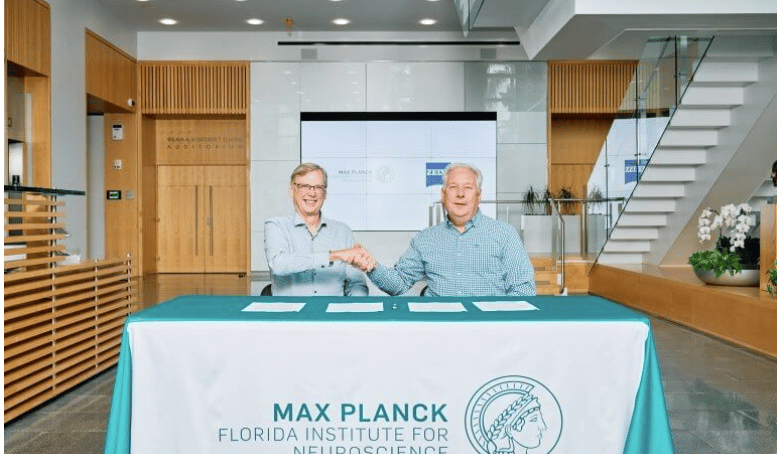
Science Meets Music 2025. Max Planck, Jupiter, Florida - January 29, 2025
About Last Night.... Ask Max
It’s not every night you have the opportunity to hear about the latest neuroscience research and be entertained by brilliant and beautiful Board Certified Music Therapist but that’s exactly what several hundred guest enjoyed last night at the Benjamin School’s Upper campus in collaboration with The Max Planck Florida Institute for Neuroscience.
Max Planck is a nonprofit research organization in Jupiter, Florida. It is part of the world-renowned Max Planck Society, Germany’s most successful research organization, with 86 institutes worldwide. Since its founding, the Max Planck Society has produced 31 Nobel laureates.
Each winter, Max Planck sponsors a “Science Meets Music” program, offering the public a deeper understanding of its research. On Wednesday evening, we had the pleasure of hearing Dr. Elizabeth Binder, Scientific Director at the Max Planck Institute for Psychiatry.
Dr. Binder’s research explores how adversity, trauma, and genetics affect mental health, with a focus on depression and anxiety. Using advanced models such as human cerebral organoids, she studies how stress impacts brain function across life stages. Her groundbreaking work has earned her prestigious honors, including the Carus Medal and membership in the National Academy of Medicine.
In her lecture, “How Stress Gets Under the Skin,” Dr. Binder explained how environmental exposure shapes the brain and body, influencing psychiatric risk. A striking part of her presentation was a world map showing that 70% of the global population has been exposed to extreme trauma, with the U.S. highlighted as a hotspot.
Dr. Binder’s research reveals that trauma and stress can penetrate cell walls and encode DNA. For example, when a pregnant woman experiences high stress levels, stress hormones can transfer to her baby, potentially altering the baby’s DNA. As a mother, this resonated deeply with me and underscored the importance of sharing this information.
The saying “Stress is a killer” has been scientifically validated. It is now understood that high stress can lead to increases in conditions like autism and Alzheimer’s. Trauma and extended stress levels don’t just affect the current generation—they can alter cell development in future generations.
Dr. Binder’s work is transforming psychiatry by identifying biological markers that influence resilience or vulnerability. For instance, blood tests can now determine whether someone is more likely to recover from trauma or is biologically predisposed to vulnerability to PTSD and other mental and physical health challenges. This insight paves the way for individualized treatment and prevention plans.
Imagine knowing you carry a biological marker for vulnerability due to unspoken generational trauma. For example, a mother who was sexually abused as a child may have had her trauma encoded in her DNA. As a single parent working multiple jobs, her stressful lifestyle could have further impacted her children’s mental and physical health.
Later in life, this same mother might recognize early signs of cognitive decline and turn to research and therapy to improve her well-being. She might find that being in nature, reducing stress, and working fewer hours improve her mental health significantly. But what does this mean for her children? If their DNA is altered due to her trauma, can anything be done to reduce the potential impact on their mental and physical health?
The answer, according to Dr. Binder, is yes. Stress acts as the activator of these biological vulnerabilities. It is only when individuals with these markers experience trauma or chronic stress that mental and physical health conditions emerge.
With this knowledge, people can make informed decisions about their lives. Understanding your predispositions can guide career choices, living environments, and daily habits to align with your unique cellular makeup.
This research also holds exciting possibilities for life coaching and health assessments. While some remain hesitant about sharing their DNA for study, I see it as an opportunity to gain a significant advantage in living a healthy, fulfilling life.
The work being done at Max Planck and other research institutions is inspiring and impactful. The ability to validate our understanding of ourselves at a cellular level can influence education, career paths, lifestyle choices, and preventive medical therapies.
If you’d like to support the Max Planck organization or STEM education in our community, consider donating to the Max Planck “Ask Max” K-12 Outreach Program. Until March, donations will be matched 100%, doubling the impact of every contribution. This program provides hands-on STEM lessons, enables visits to local schools, and sparks curiosity and a love of science in students.
Carla Alexander is an investigative reporter, Board-Certified Patient Advocate, and Certified Medicare Specialist. For medical news and healthy living tips, follow her blog at www.HealingLife.US.

Wellness
Retreats
NLP Training
Thai Chi in the Park
Guided Paddleboard Tours
Community
Research
Editor@healinglife.us
© 2024. Healing Life Media, All rights reserved.